Introduction
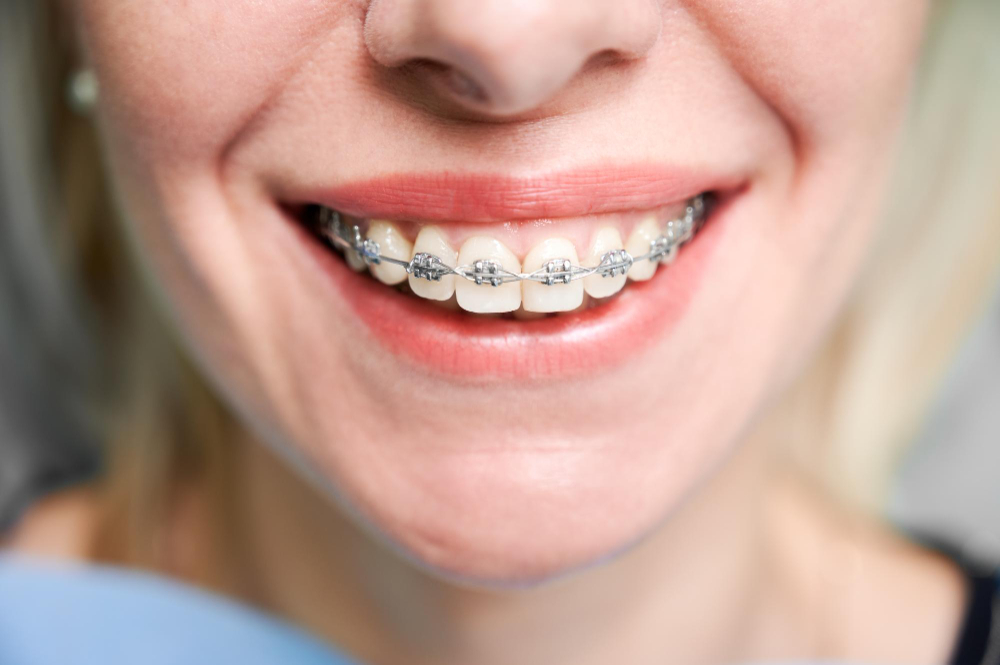
Braces are special devices that help straighten teeth and fix bite problems. Many people choose braces for teeth to improve their smile and oral health. In fact, orthodontic treatment with braces is common for both children and adults. Braces gently move teeth into the right position over time. As a result, you can enjoy a healthier mouth and a more confident smile.
Types of Braces
There are several types of dental braces available today. Each type has its own benefits. Your dentist will help you choose the best option for your needs. Here are the most common types:
Each type has pros and cons. Therefore, it is important to discuss your options with your orthodontist.
Who Needs Braces?
Many people can benefit from orthodontic treatment. Braces are not just for children. Adults can also get braces to fix their teeth. You may need braces if you have:
Sometimes, your dentist may suggest braces to prevent future dental issues. Early treatment can make a big difference.
Common Symptoms and Signs Indicating the Need for Braces
It is not always easy to know if you need braces. However, some signs can help you decide. Look out for these symptoms:
If you notice any of these signs, it is wise to see a dental specialist. Early action can prevent bigger problems later.
Diagnosis and Consultation Process
First, you will visit an orthodontist for a check-up. During the visit, the specialist will:
After the exam, the orthodontist will explain your options. They will suggest the best type of braces for your needs. You can also ask questions about the process.
Treatment Process: What to Expect
Getting braces is a step-by-step process. Here is what usually happens:
The whole process can take one to three years, depending on your case. Regular visits help ensure the best results.
Benefits and Risks of Braces
Braces offer many benefits. However, there are also some risks to consider.
According to the American Dental Association, most people have a safe and successful experience with braces.
Care and Maintenance Tips
Good care is key for healthy teeth during orthodontic treatment. Here are some braces care tips:
Proper care helps prevent cavities and keeps your braces in good shape.
Lifestyle Guidance During Orthodontic Treatment
Wearing braces may change some daily habits. Still, you can enjoy most activities. Here are some tips:
With a few changes, you can keep your teeth and braces safe.
Prevention and Early Intervention
Early dental check-ups can spot problems before they get worse. The American Association of Orthodontists suggests children see an orthodontist by age seven. Early intervention can:
Even adults can benefit from early action. Regular dental visits help keep your mouth healthy.
Frequently Asked Questions
Conclusion
Braces can help you achieve a healthy, beautiful smile. With the right care and guidance, orthodontic treatment is safe and effective. For the best results, consult a dental specialist for personalized advice on braces.