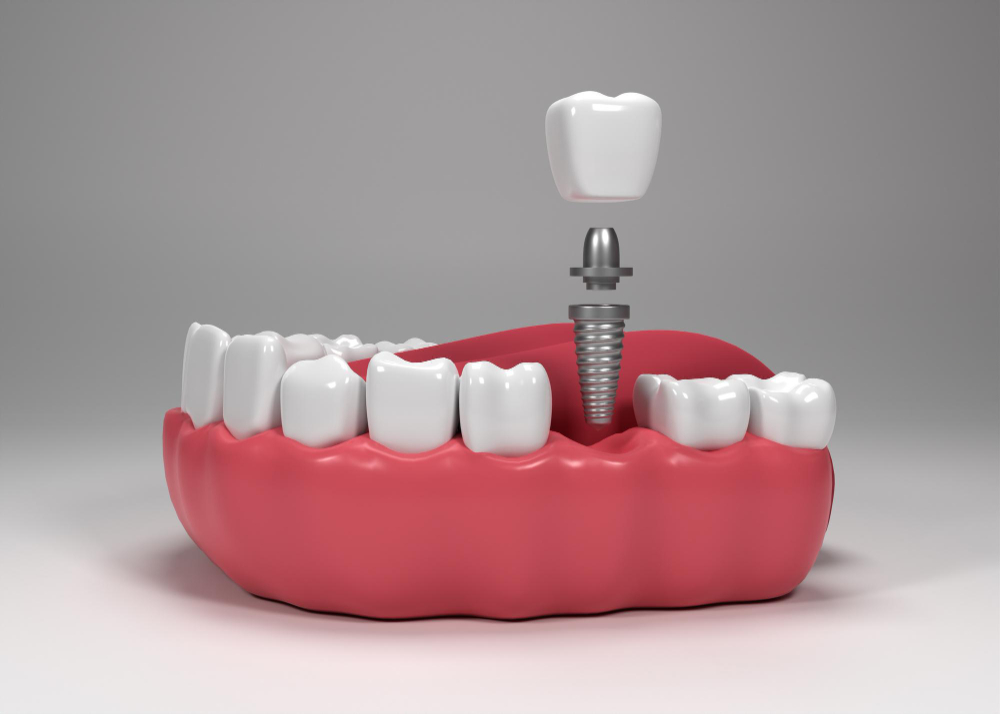
What Are Dental Implants?
Dental implants are artificial tooth roots. Dentists place them in your jaw to support replacement teeth. Usually, dental implants are made of titanium. They look and feel like natural teeth. Because of this, many people choose dental implants to replace missing teeth. In many cities, dental implants are a popular choice for restoring smiles.
Benefits of Dental Implants
Dental implants offer many advantages over other tooth replacement options. For example, they are strong and long-lasting. Also, they help keep your jawbone healthy. Here are some key benefits:
Who Is a Candidate for Dental Implants?
Not everyone can get dental implants. However, many adults are good candidates. Dentists look at your health and jawbone before deciding. You may be a good candidate if you:
Still, some health problems may affect healing. For example, uncontrolled diabetes or certain bone diseases can be a concern. Always talk to your dentist about your medical history. If you are wondering “who can get dental implants,” your dentist can help you decide.
The Dental Implant Procedure (Step-by-Step)
The dental implant procedure usually takes several steps. Each step helps make sure your new tooth is strong and secure. Here is what you can expect:
Because healing takes time, the full dental implant procedure may last several months. However, the results are often worth the wait.
Risks and Potential Complications
Dental implants are safe for most people. Still, like any procedure, there are some risks. Knowing about dental implant risks can help you make an informed choice. Possible risks include:
However, most problems are rare and can be treated. Choosing a skilled dentist lowers your risk. The American Dental Association notes that dental implants have a high success rate.
Aftercare and Recovery Tips
Proper aftercare is important for healing and long-term success. Here are some dental implant aftercare tips:
With good care, dental implants can last many years. Because of this, many people find them to be a great investment in their health.
Frequently Asked Questions
For more details, you can visit trusted sources like the American Dental Association or the World Health Organization.
Consult a qualified dentist to find out if dental implants are right for you.