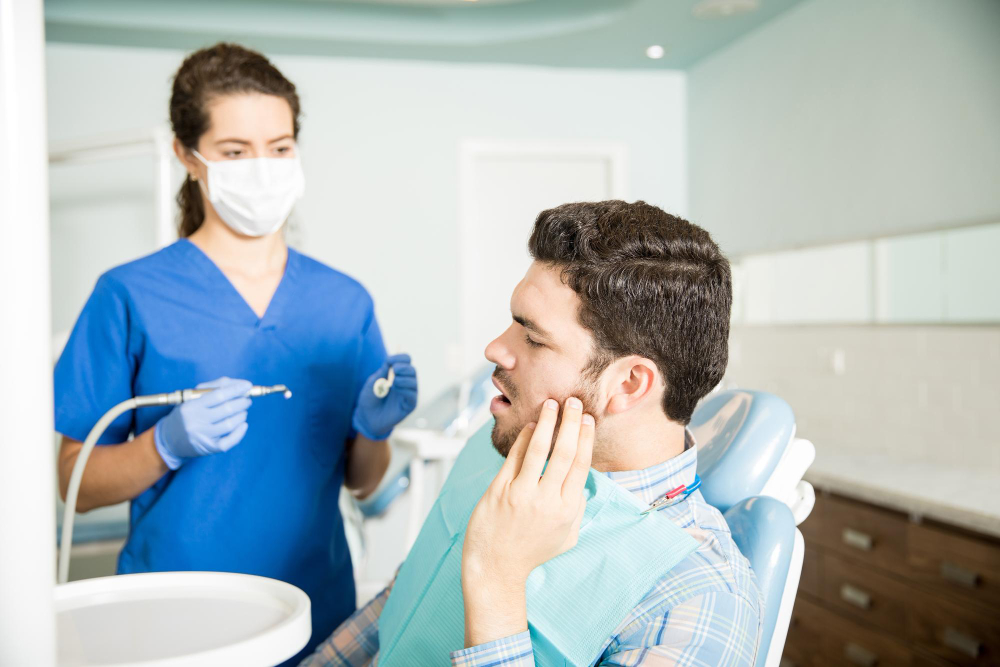
Dental emergencies can happen at any time. Knowing what to do in a dental emergency can help save your teeth and reduce pain. Quick action and the right steps are important before you visit the dentist. In this guide, you will learn about common dental emergencies, what to do right away, and how to prevent future problems. These tips use advice from trusted sources like the American Dental Association (ADA) and the CDC.
What Is a Dental Emergency?
A dental emergency is any sudden problem with your teeth, gums, or mouth that needs fast care. For example, a knocked-out tooth or severe tooth pain can be emergencies. Sometimes, swelling or bleeding in the mouth also means you need urgent dental treatment. Not all dental issues are emergencies, but some need quick help to prevent lasting damage.
Common Types of Dental Emergencies
Many people face dental emergencies. Knowing the most common ones can help you act fast. Here are some examples:
Each of these problems may need emergency dental care. However, some can wait for a regular dental visit if pain and bleeding are mild.
Immediate Steps to Take During a Dental Emergency
Acting quickly can make a big difference. Here are steps you should take right away:
Always call your dentist or an emergency dental clinic for advice. They can guide you on what to do next.
What Not to Do in a Dental Emergency
Some actions can make things worse. To protect your teeth and mouth, avoid these mistakes:
Instead, follow safe first aid steps and contact your dentist as soon as possible.
When to Seek Professional Dental Care
Some dental problems need fast treatment from a dentist. You should seek emergency dental care if you have:
If you are not sure, call your dentist or an urgent dental clinic. They can help you decide if you need to come in right away.
Prevention Tips for Dental Emergencies
While you cannot prevent every dental emergency, you can lower your risk. Here are some helpful tips:
Good oral care and safe habits can help you avoid many urgent dental problems.
In summary, knowing what to do in a dental emergency can protect your teeth and health. If you face a dental emergency, stay calm and follow these tips. Most importantly, consult your dentist or a dental specialist for the best care and advice for your situation.